


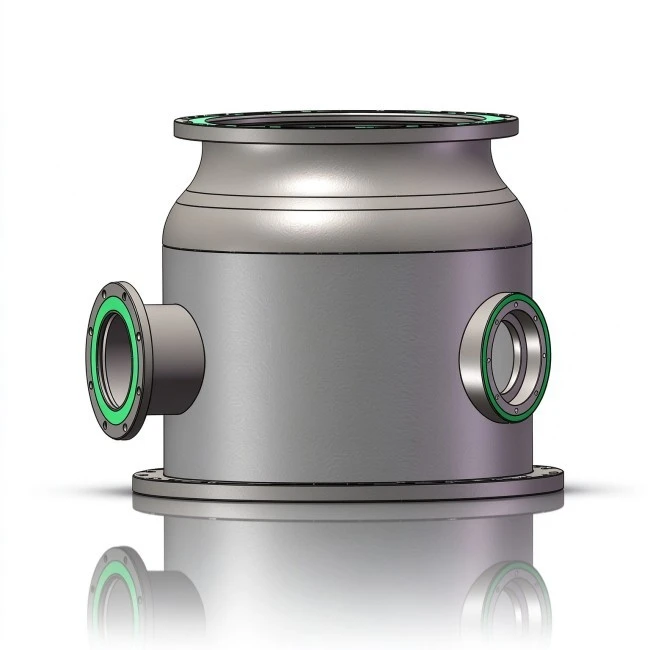
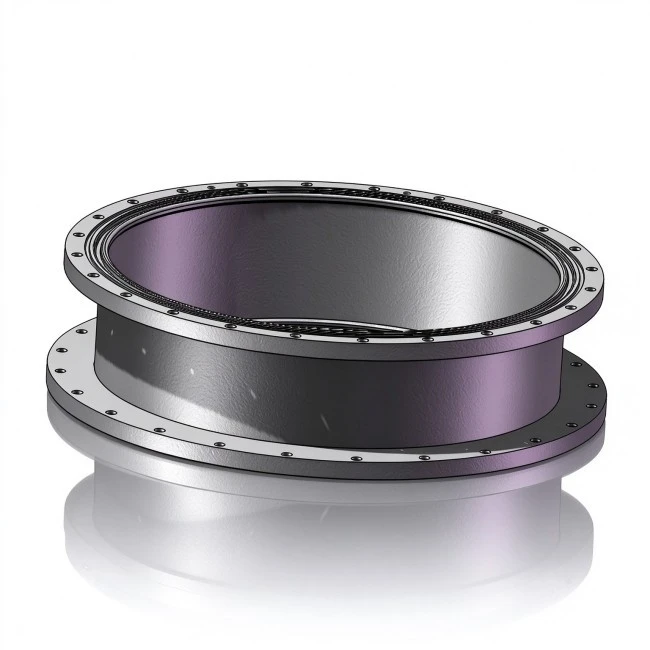
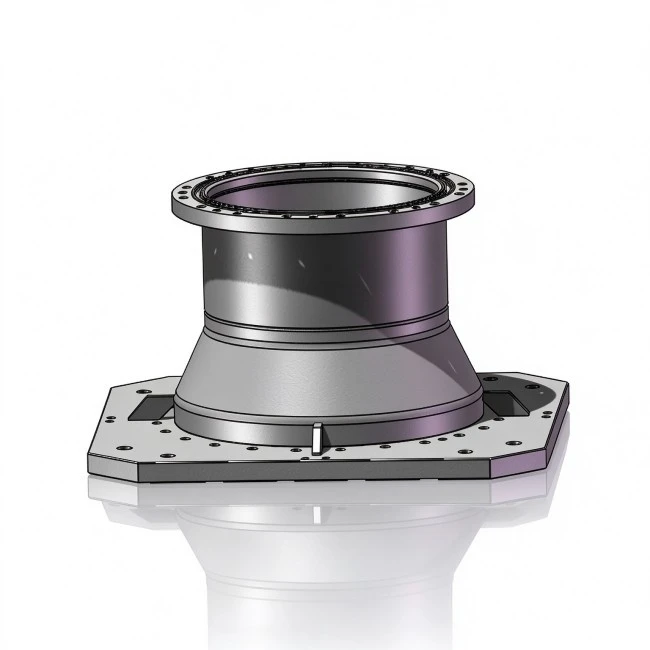
Cangzhou Jianbo Electric Power Equipment Co., Ltd. is one of the most reliable manufacturers and suppliers of gil reducing transition busbar enclosure in China. With abundant experience, we are committed to providing high quality customized service for global clients. If you're going to buy bulk gil reducing transition busbar enclosure made in China, welcome to get free sample from our factory.
|
Product Name |
GIL Reducing Transition Busbar Enclosure |
|
Shell Material |
Aluminum Alloy 5083-H112, 6061-T6 |
|
Plate Thickness |
3–20mm, selected based on design pressure and short-circuit condition calculations |
|
Adaptable Shell Diameter Difference |
Maximum diameter difference between both ends up to 450mm |
|
Transition Form |
Two structures available - conical gradual transition and stepped transition |
|
Mandatory Factory Inspection |
Hydrostatic strength test, helium mass spectrometer leak detection |
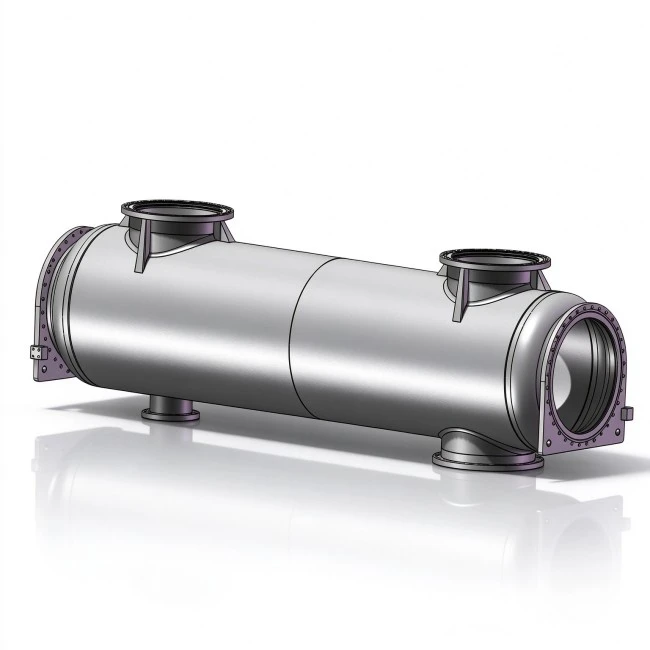
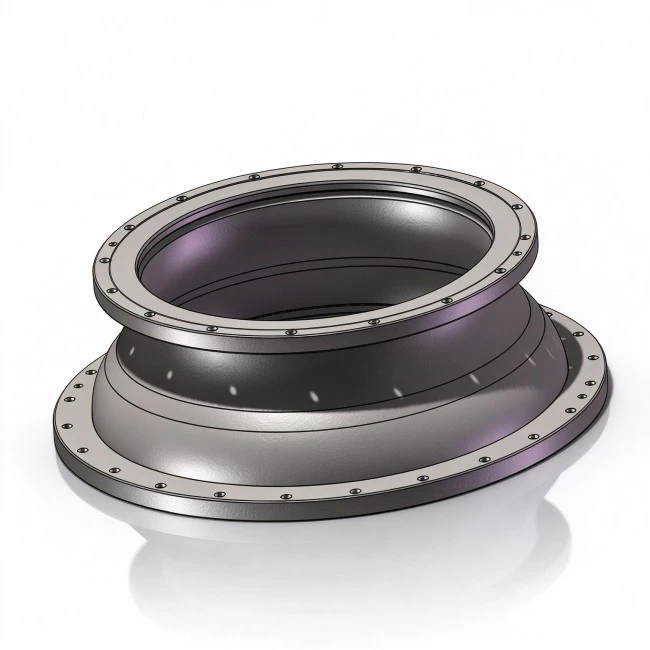
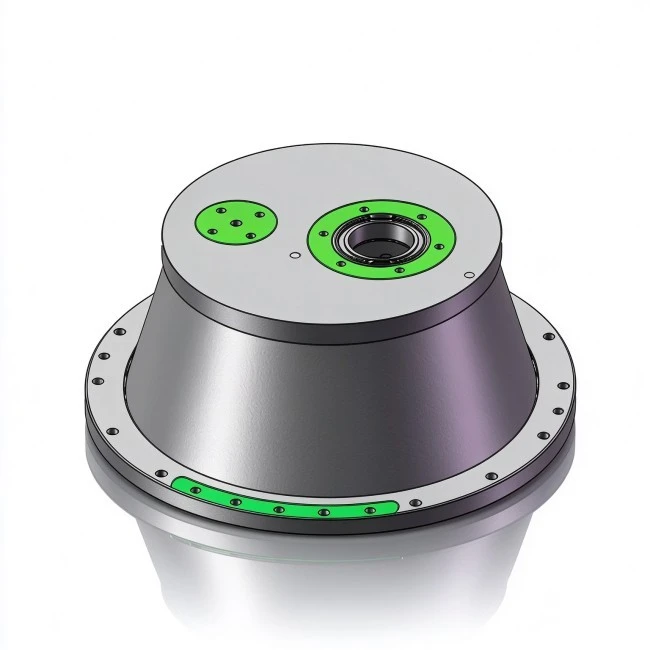
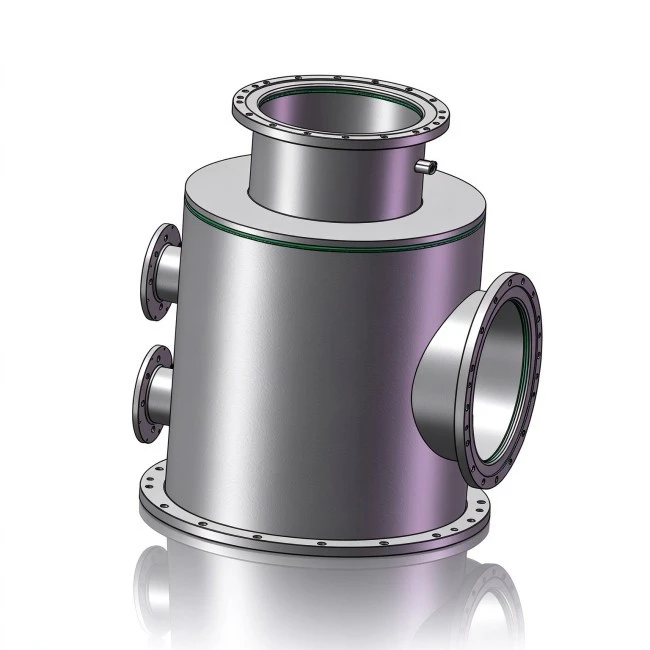
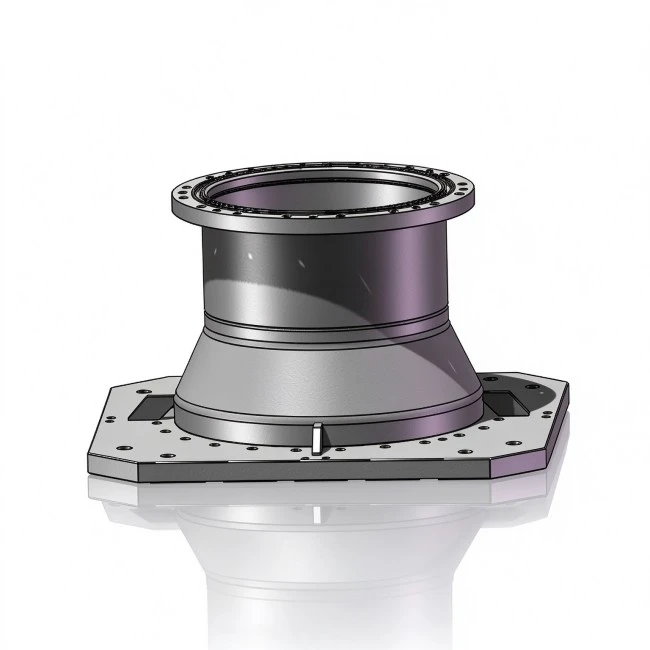
GIL Reducing Transition Busbar Enclosure is used for the transfer between GIL pipelines of different inner diameters, achieving smooth diameter transition, ensuring gas compartment sealing and ground shielding. This customized aluminum alloy welded component is made to order with no spot stock. Flange coaxiality and stress at the transition zone are strictly controlled. Grounding and inspection interfaces can be pre-fabricated. Only the metal shell is supplied, excluding conductors and insulators. It is suitable for scenarios such as new-to-old pipeline connection, different current circuit interfacing, and equipment port diameter conversion.
Product Advantages
Coaxial Shape Control at Transition Section, Ensuring Butt Joint Concentricity
Relying on specialized welding fixtures to clamp both end interfaces, welding deformation at the transition position is suppressed, ensuring coaxiality of shells on both sides and reducing the risk of internal conductor assembly interference.
Smooth Transition Structure, Relieving Local Stress
A conical gradual transition structure is prioritized to avoid stress concentration caused by abrupt cross-section changes, improving shell pressure-bearing stability and adapting to long-term gas-insulated operating conditions.
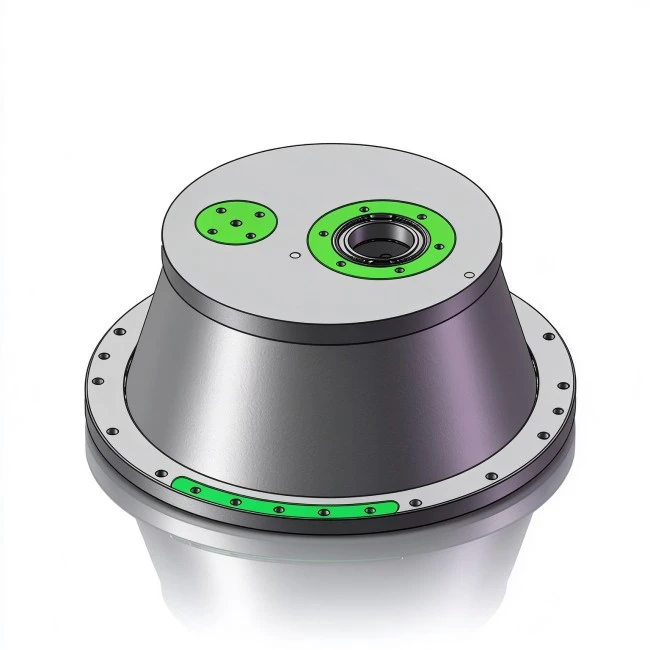
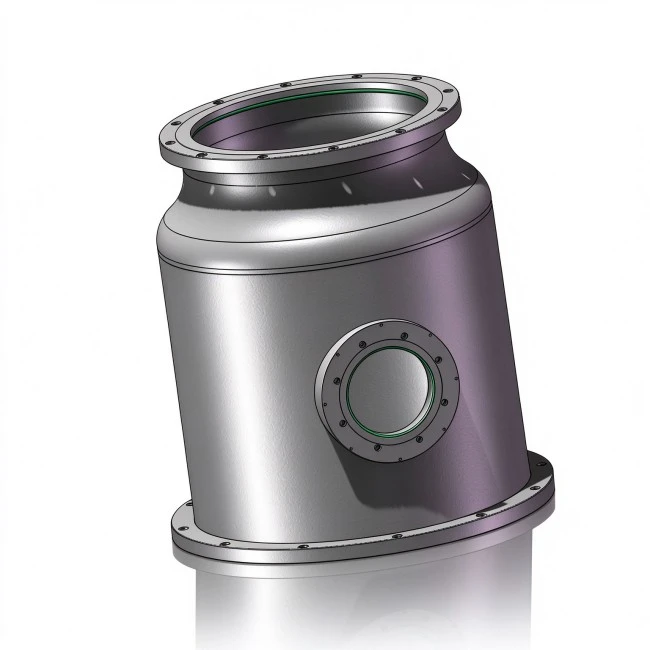
Multiple Solutions Adapting to On-Site Connection Conditions
Conical or stepped transition structures can be selected according to project space constraints, compatible with different working conditions such as existing pipeline modification and new construction design.
Welds Completed in-House, Reducing On-Site Workload
The main transition structure is fully processed and welded in the factory. Only flange butt jointing is required on-site, avoiding quality risks associated with on-site welding.
Integrated Pre-Fabrication of Accessory Points
Grounding studs, gas sampling ports, and lifting lugs are all pre-fabricated and welded in the factory. Hot work modification on the transition base material on-site is not permitted.
fAQ
Q1: Can the transition enclosure be made with a very short transition section?
A: Yes, but an overly short transition section will cause stress concentration. Before production, we will provide process hints to balance installation space and structural safety.
Q2: What information is needed for inquiry?
A: Provide both end interface dimensions, design pressure, transition section length requirements, drawings or 3D models, and specify inspection and testing requirements to facilitate evaluation and quotation.
Q3: Can the transition section be cut on-site to modify the length?
A: On-site cutting is not recommended. The wall thickness and stress of the transition zone are calculated. On-site cutting will damage the pressure-bearing performance. Please confirm dimensions at the drawing stage.
Q4: Is stepped transition supported?
A: Yes. When constrained by space, stepped transition can be selected, and the weld stress level of this structure will be evaluated simultaneously.
Storage Guidelines
1. Prioritize storage in a dry, well-ventilated indoor area. For temporary outdoor storage, provide rain and dust protection. Open-air exposure to rain or soaking is strictly prohibited.
2. Flange protective covers must not be removed to protect sealing grooves and prevent debris from scratching the sealing surfaces.
3. Storage supports should avoid the weak areas of the transition cone. Use multiple cushion supports. Do not heavily press the flange end faces. Place soft pads between shells to prevent collision damage.
4. The recommended storage period should not exceed 12 months. Before use after exceeding this period, re-inspect the appearance, welds, and flange sealing surface condition.
5. The storage area should be away from welding and strong vibration zones to avoid weld spatter burning the shell and to prevent structural stress damage caused by vibration.
Hot Tags: GIL reducing transition busbar enclosure, China GIL reducing transition busbar enclosure manufacturers, suppliers, factory


