

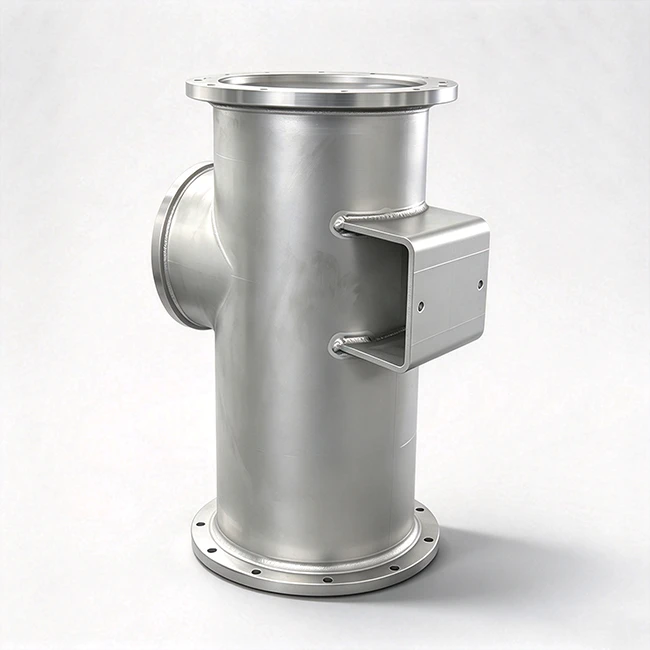
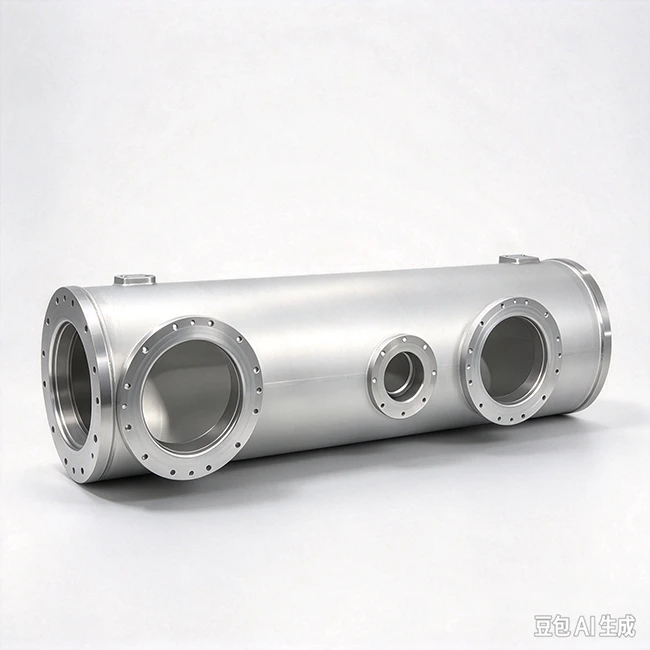
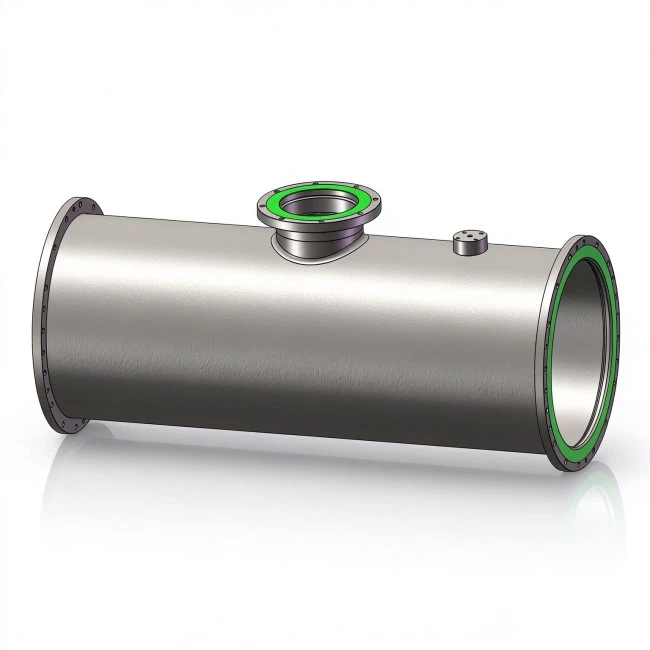
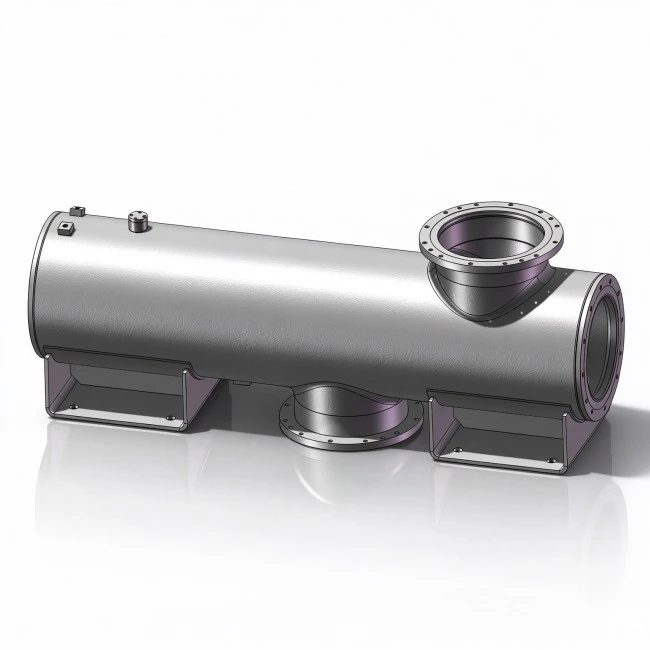
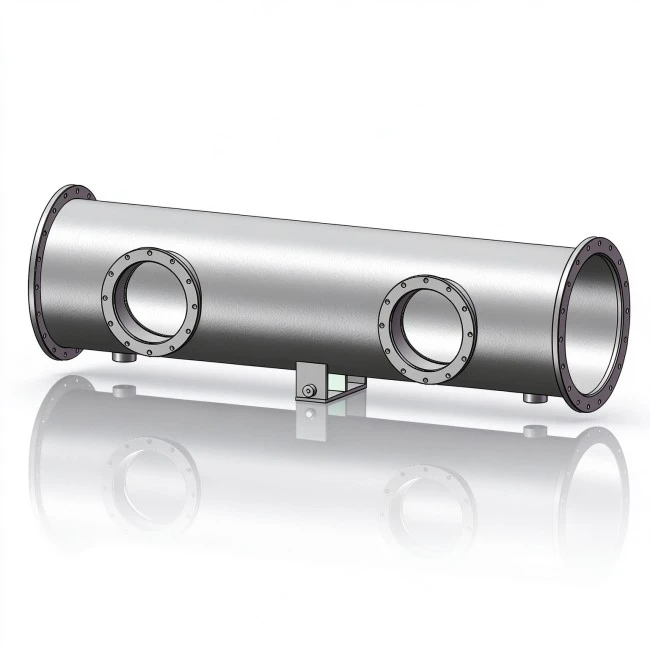
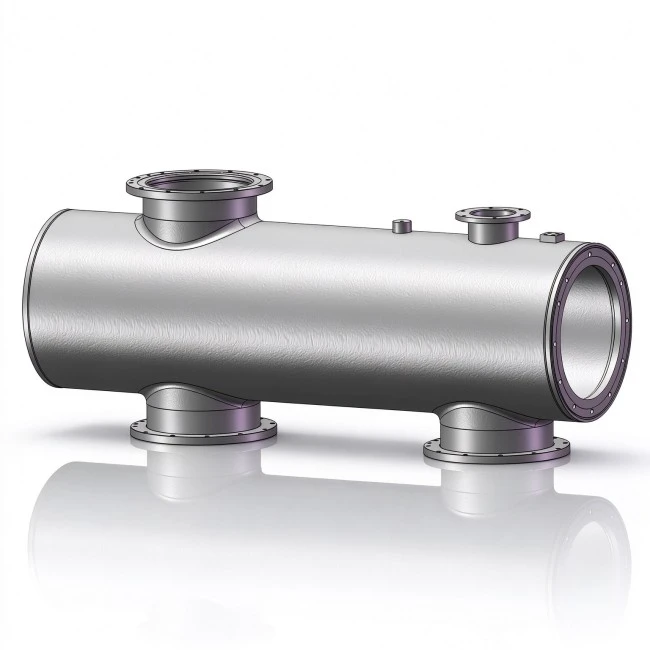
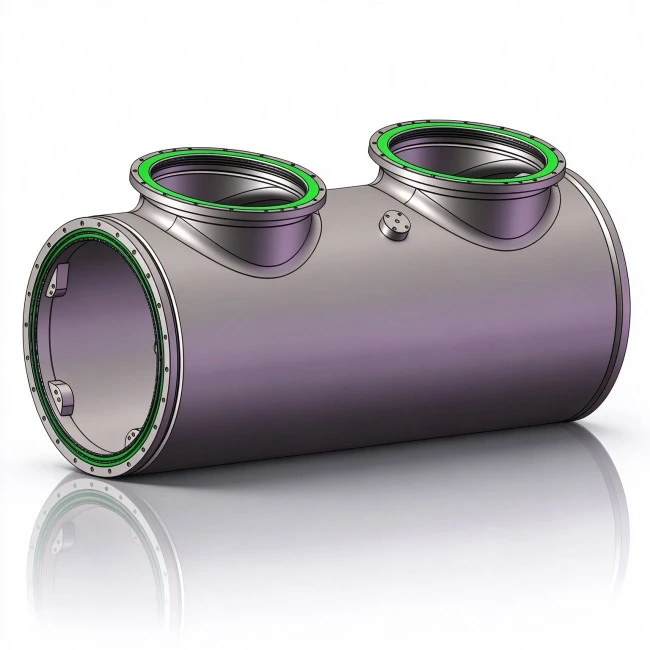
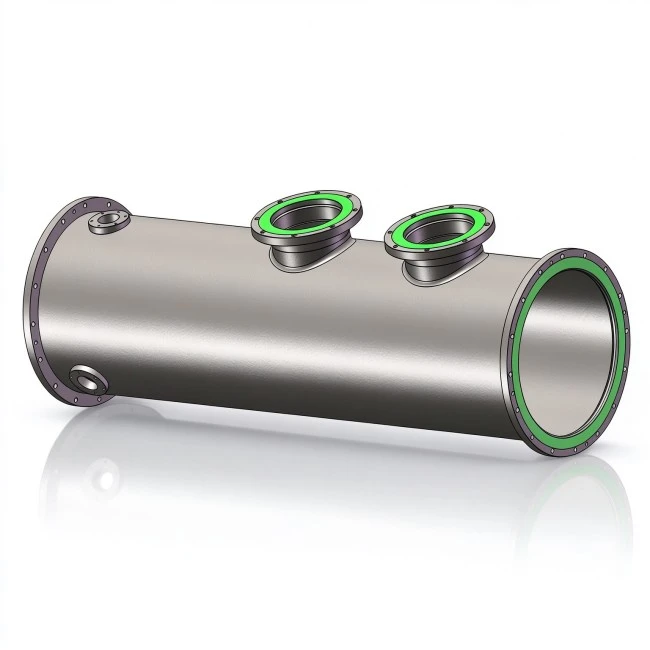
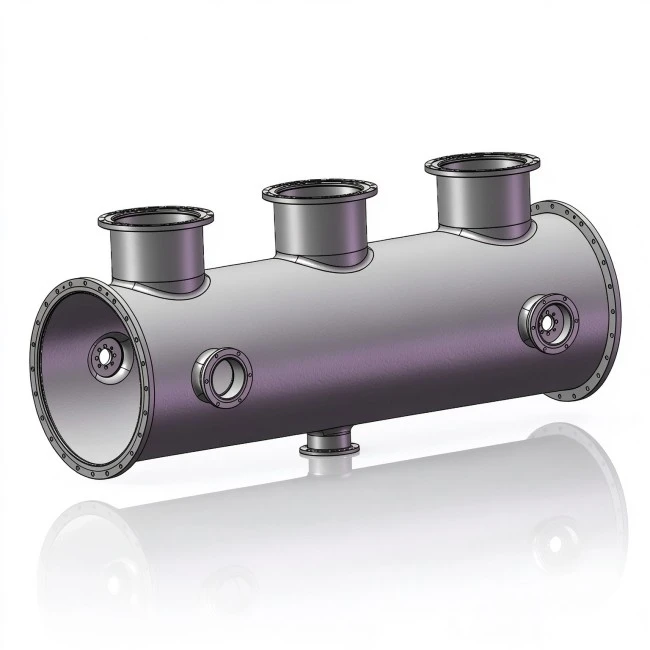
Cangzhou Jianbo Electric Power Equipment Co., Ltd. is one of the most reliable manufacturers and suppliers of gis cable terminal enclosure in China. With abundant experience, we are committed to providing high quality customized service for global clients. If you're going to buy bulk gis cable terminal enclosure made in China, welcome to get free sample from our factory.
GIS Cable Terminal Enclosure is dedicated metal pressure-tight housing for high-voltage cable connection into gas-insulated switchgear. This GIS cable-termination tank forms independent SF₆ gas compartment, accommodates cable-termination assembly, cable entry flange and grounding structure, realizing mechanical and gas-tight transition between external power cable and GIS main gas chamber.
Different from breaker or instrument-transformer housings, this GIS cable-entry housing reserves special cable penetration opening for cable passing-through, and can connect with basin insulator to separate cable-terminal zone from GIS main bus-bar compartment. Every finished GIS cable-connection metal shell passes hydrostatic pressure test, cable-entry-flange targeted helium sniff-scan, weld NDT and inner-cavity particle-removal cleaning before shipment. Target buyers: GIS integrators, power EPC contractors, cable-accessory manufacturers and substation spare-part distributors.
|
Product Name |
GIS Cable Terminal Enclosure |
|
Main Material |
Aluminum alloy / Low-magnet carbon-steel |
|
Applicable Standards |
IEC 62271-203,IEC 62271-209,GB/T7674-2020 |
|
Rated Voltage Range |
72.5kV-252kV (per customer drawing) |
|
Key structural feature |
Independent gas compartment; dedicated cable-entry penetration flange |
|
Welding Process |
Automatic circumferential & longitudinal TIG welding |
|
Mandatory In-house Tests |
Hydrostatic pressure test;Cable-entry-flange targeted helium sniff-scan;UT & radiographic weld inspection;Inner-cavity particle-removal cleaning |
|
Reserved functional interfaces |
Basin-insulator mating flange, cable-entry penetration flange, SF₆ filling & density-monitor port, multi-point grounding terminals |
Core Product Advantages
① Dedicated cable-entry flange for cable-terminal assembly
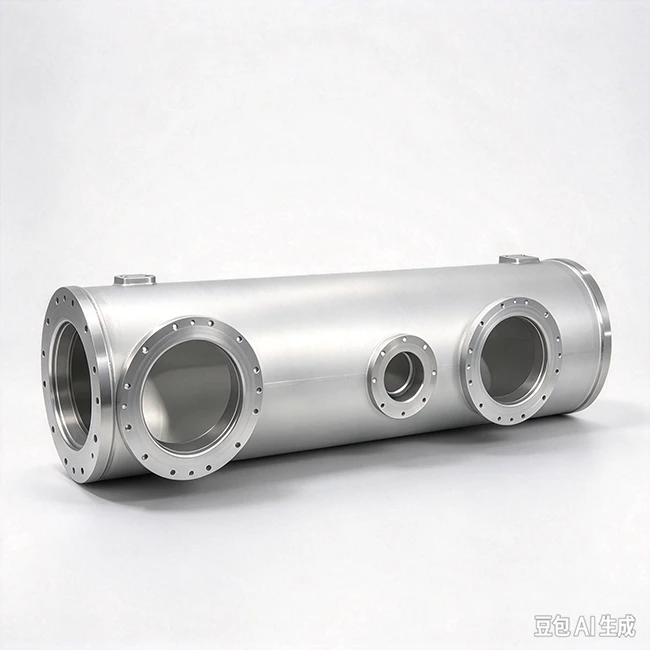
This GIS Cable Terminal Enclosure adopts custom-machined cable-entry penetration flange. The opening dimension matches outer outline of GIS cable termination. It simplifies cable-terminal installation, avoids on-site cutting or modifying shell for cable passing-through.
② Independent gas-compartment reduces cross-influence with main GIS chamber
This GIS cable-termination tank can work with basin insulator to build separated cable-terminal gas zone. Maintenance or cable-terminal replacement only needs gas-recovery inside cable-entry compartment, without disturbing gas status of GIS main bus-bar chamber, cutting on-site service workload.
③ Reinforced local stiffness around cable-entry opening
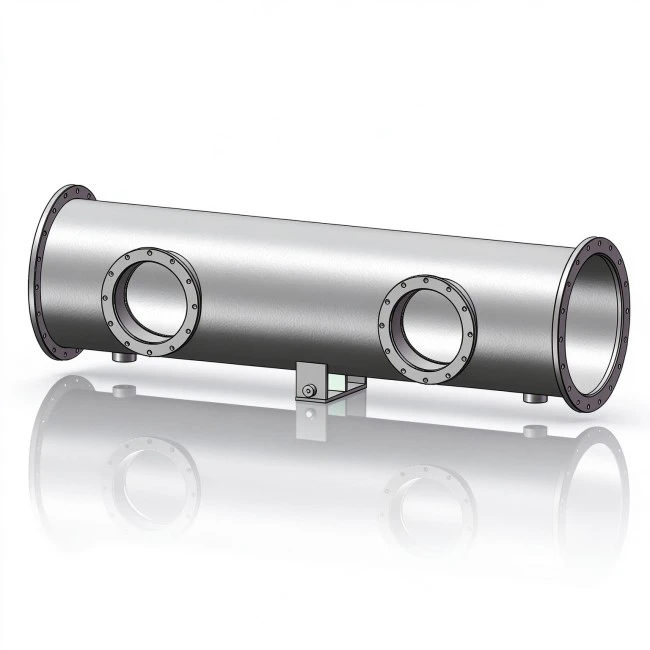
Local reinforcing structure is added around cable-entry opening of GIS cable-entry housing. After hydrostatic pressure test, key flange flatness is re-checked. Resist mechanical pulling, twisting load transferred from field-installed power cable, prevent flange distortion.
④ Optimized inner-cavity shape to lower stray-electric-field risk
Inner corners inside GIS cable-connection metal shell adopt smooth transition structure, remove sharp protruding edges. Reduce stray electric-field concentration risk inside cable-terminal compartment, help to control partial-discharge level under long-term operating voltage.
⑤ Targeted helium sniff-scan for cable-entry sealing interface
Besides full weld inspection, we perform focused helium sniff-scan on cable-entry flange sealing groove of GIS Cable Terminal Enclosure. Detect hidden micro-leaks on cable-penetration joint before delivery, reduce SF₆ gas loss after site commissioning.
FAQ
Q1: For the same rated-voltage GIS Cable Terminal Enclosure, what native product-configuration options are available for our project selection?
Two main native structural options are available: independent gas-compartment version and non-independent gas-compartment version. For material, you can select aluminum alloy or low-magnet carbon-steel. Each option brings differences on weight, magnetic performance and overall product cost, we can clarify the pros & cons for your project reference.
Q2: Can the body of this GIS cable-termination tank physically support swapping different-size cable-entry flanges?
The cable-entry flange is welded as a part of main shell body. The finished tank body itself cannot support swapping different-size flanges. All flange dimension parameters shall be defined according to product-body structure at product definition stage.
Q3: What helium leak-rate performance can this GIS cable-entry housing achieve as a finished product?
As finished product, every shell meets the requirement of single-compartment annual leak rate ≤0.5%. This performance is verified by compartment-level helium sniff-scan test on finished product body. Special tighter leak-rate target can be realized if specified as product technical requirement.
Q4: From product-body perspective, what are practical pros and cons between aluminum alloy and low-magnet carbon-steel versions?
Aluminum-alloy shell features lighter product-body weight and good anti-corrosion performance. Low-magnet carbon-steel product-body delivers higher structural rigidity with heavier weight. You need to balance transportation load, installation condition and project specific magnetic field requirements when selecting material.
Q5: Which inspection items are mandatory for the finished GIS Cable Terminal Enclosure product body, and which tests are optional value added items?
Mandatory tests for product body: hydrostatic pressure test, weld NDT, helium leak-scan and inner-cavity particle cleaning. Optional value-added product-body tests include extra dimensional full-scan, third-party witness inspection, special salt-spray test for surface coating. Optional tests will affect final product price.
Q6: What are the intrinsic structural differences between independent-gas-compartment and non-independent-gas-compartment product bodies? How will that influence project cost?
The independent-gas-compartment product body integrates complete basin-insulator mating flange to build separate gas boundary, which brings higher product-body cost yet lowers later site maintenance cost. Non-independent-gas-compartment body omits this isolating flange structure, product purchase cost is lower but gas recovery scope will expand during later maintenance work.
Hot Tags: GIS cable terminal enclosure, China GIS cable terminal enclosure manufacturers, suppliers, factory


